
 7 months ago
70
7 months ago
70
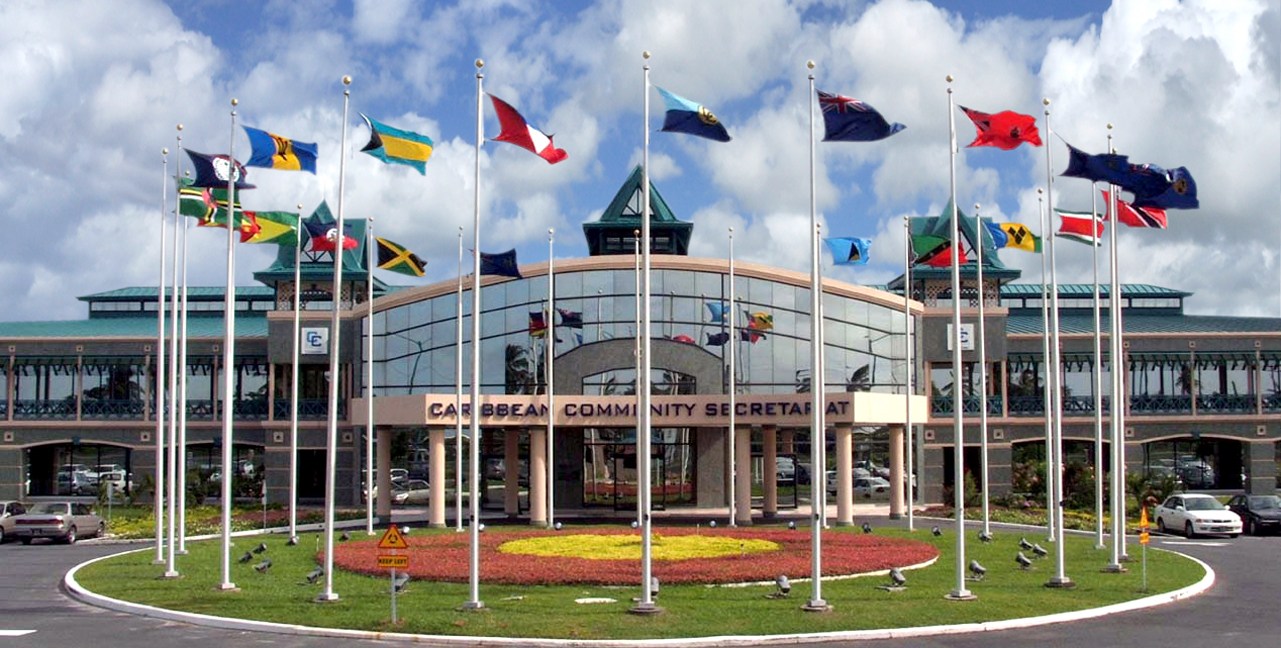
When the 50th Regular Meeting of the Conference of CARICOM Heads of Government convenes in St. Kitts and Nevis this week, it will carry heightened significance. Regional leaders are increasingly aware of the volatile international political and economic environment, highlighting the urgent need to embed resilience in the Caribbean’s development strategies.
Caribbean small island developing states (SIDS) face inherent vulnerabilities, not solely due to their size. Yet, some argue that smallness can be leveraged strategically: smaller states often enjoy flexibility in global affairs, playing innovative roles larger nations cannot. Influential small states may also provide moral leadership, counterbalancing abuses of power by larger actors.
The combination of size, material resources, geographic location, and economic development can make Caribbean SIDS more resistant than commonly perceived. Yet vulnerabilities stem from geographic isolation, natural disasters, currency crises, environmental degradation, commodity price swings, high emigration, volatile growth, and weak governance. These challenges are compounded by narrow resource bases, small domestic markets, and limited export diversification.

Despite these factors, the international community often dismisses the vulnerability of Caribbean SIDS, citing relatively high per capita incomes and middle-income classifications. While vulnerability has not prevented growth or development, small states remain disproportionately exposed to external shocks. Between 1970 and 2010, the Caribbean, home to less than 1% of the world’s population, experienced 17% of all natural disasters globally.
Resilience through policy
The central point is not that smallness itself blocks progress, but that Caribbean states remain susceptible to sudden external events that can quickly undermine development gains. Building resilience requires domestic policy innovation and the optimization of resources.
Efforts must include shifting toward a knowledge-based economy, supported by social protections for those less agile. A heavy concentration in a few sectors leaves the region vulnerable to external shocks and has contributed to persistently low growth rates. Declining investment—both through gross fixed capital formation and foreign direct investment—reflects limited government capacity and a private sector that remains risk-averse despite a generally conducive monetary environment.
Economic and fiscal strategies
The extreme openness of the Caribbean economy, combined with evolving trade and immigration policies, makes it vulnerable to external shocks that can impact tourism, remittances, and foreign exchange receipts. While some countries have implemented fiscal rules, these measures alone are insufficient to ensure sustainable development outcomes.
To strengthen resilience, the financial and domestic capital sectors must be developed, including education, healthcare, ICT, finance, engineering, architecture, the creative industries, and key sectors such as tourism, wholesale, and retail. Governments should not merely enable economic activity; they must actively shape business innovation and growth.
Industrial diversification should be guided by Public Expenditure Reviews (PERs) to align priorities with resource allocation, alongside procurement and pricing policies that target vulnerable groups, such as women and youth. Tax reforms may also help ensure subsidies and expenditures are more effectively directed.
A resilient Caribbean development model requires expanded public-private partnerships to fill gaps in research and infrastructure. Strengthening regional cooperation and building on past successes is critical for increasing production and competitiveness.
Operationalizing this model requires strong institutions and governance frameworks. Administrative capacity must be strengthened, and political will is essential to implement long-term policy initiatives. Transparency, accountability, and inclusiveness must guide decision-making to ensure broad societal participation.
Bold leadership for a new normal
Caribbean leadership must be both flexible and bold to navigate this rapidly changing global environment. While small in size, the region has the potential to exercise strategic influence, adapt to crises, and safeguard the development gains of its citizens.
Keenan Falconer is an economist with experience across the Jamaican public and private sectors and in multilateral financing. Send feedback to keenanjfalconer20@gmail.com.
 English (US) ·