
 6 hours ago
1
Every year, tens of thousands of patients diagnosed with life-threatening blood disorders—such as leukemia, lymphoma, aplastic anemia, and sickle cell disease—rely on a bone marrow transplant or peripheral blood stem cell (PBSC) transplant for a cure. Yet for millions of families across the globe, finding a compatible stem cell donor remains one of the greatest hurdles in modern medicine.
Founded to confront severe racial and ethnic disparities in transplant survival rates, the World Marrow Fundoperates as the dedicated 501(c)(3) nonprofit fundraising and outreach arm of the Caribbean Bone Marrow Registry (CBMR). Together, these organizations work to close the genetic gap by recruiting diverse volunteers, subsidizing DNA testing, and linking regional donors to international medical networks.
Understanding Human Leukocyte Antigen (HLA) Compatibility
Unlike standard blood transfusions, which require matching simple ABO and Rh blood types, a successful hematopoietic stem cell transplant requires matching complex genetic proteins called Human Leukocyte Antigens (HLA). HLA markers are inherited directly from a patient’s parents, meaning a patient’s best chance of finding a perfect genetic match lies with a donor who shares their specific ethnic and ancestral background.
Because global registries were historically built around donors of European descent, patients from underrepresented backgrounds face dramatically lower odds of locating a match:
- European Descent. Patients have approximately a 77% chance of finding an unrelated matched donor.
- Latino and Hispanic Descent. The likelihood of finding a compatible match drops to 45%.
- Asian Descent. Patients face roughly a 40% chance of locating a matched donor.
- African Descent. The odds fall sharply to just 25%.
- Mixed Ancestry. Individuals with multi-ethnic heritage—common throughout the Caribbean Basin and Latin America—face the lowest odds at roughly 20%.
Expanding Donor Diversity Through Grassroots Recruitment
To reverse these statistics, the World Marrow Fund focuses heavily on communities across the Caribbean, Latin America, and the global diaspora. Rather than relying solely on passive online sign-ups, the organization runs targeted bone marrow donor drives, educational workshops, and community partnerships.
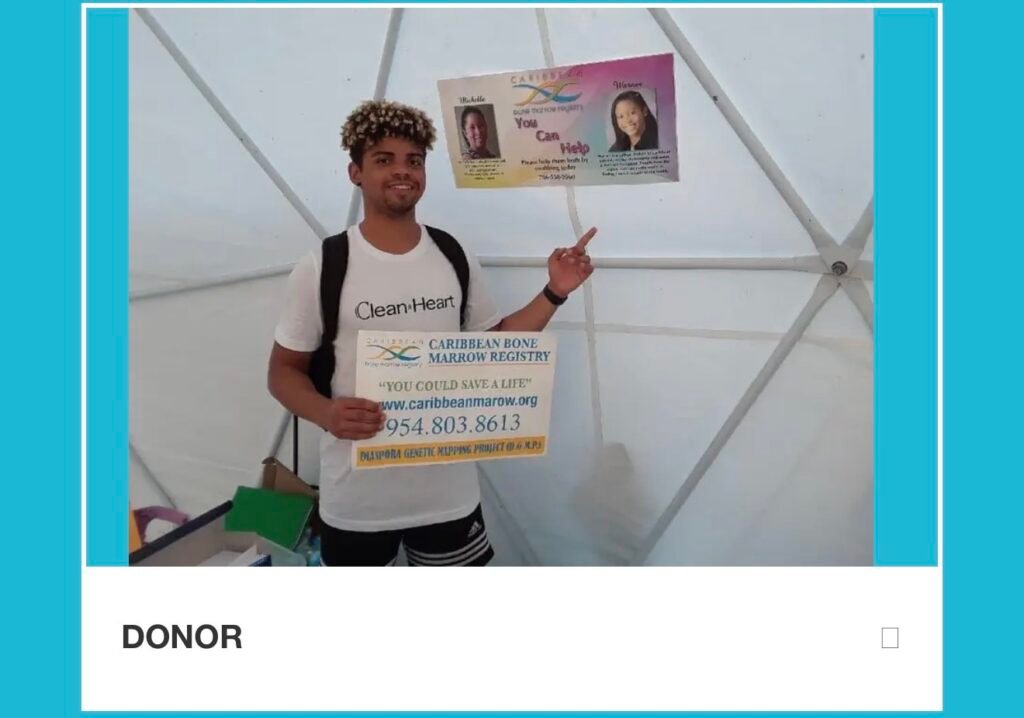
Through specialized initiatives like its Diversity Program and Friends and Family Campaigns, the fund encourages relatives, neighbors, and local civic groups to get tested. Every new volunteer from an underrepresented or mixed-race background directly strengthens the genetic diversity of the registry, giving future blood cancer and sickle cell patients a far better chance at survival.
Removing Financial Barriers to HLA Tissue Typing
Adding a single volunteer to an international registry requires laboratory processing to sequence their DNA and map their HLA tissue markers. On average, processing a cheek swab kit costs roughly $80 per donor. In developing regions and underserved communities, this out-of-pocket expense often stops willing volunteers from registering.
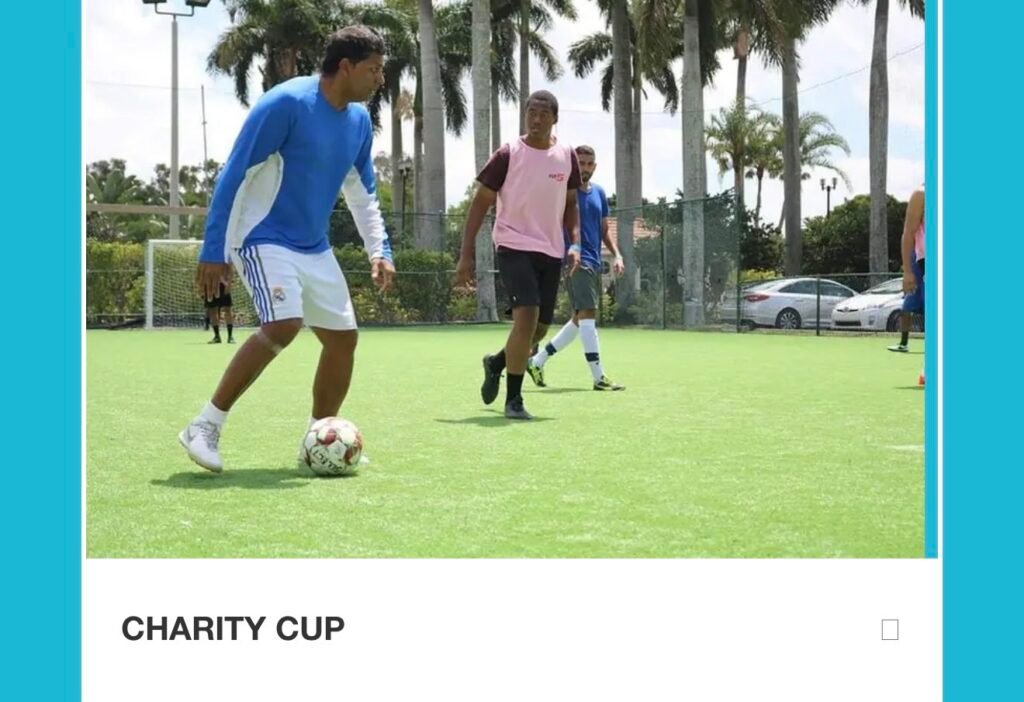
The World Marrow Fund solves this problem by raising charitable contributions from individual donors, corporate sponsors, and community fundraisers. These funds directly subsidize laboratory processing fees, allowing eligible volunteers to join the registry at zero personal cost. Beyond covering swab kits, the organization also supports specialized haplo and allele ancestry research to help transplant physicians identify rare genetic combinations faster and more accurately.
Connecting Local Donors to Global Transplant Networks
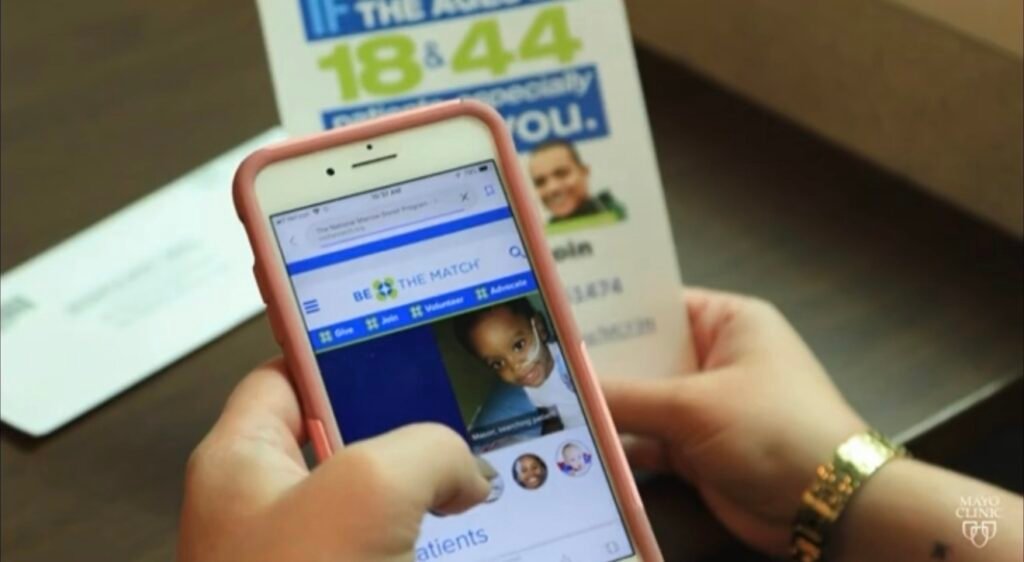
A single cheek swab collected at a neighborhood drive has the power to save a life anywhere on earth. Once a volunteer’s sample is typed through the Caribbean Bone Marrow Registry, their anonymous genetic profile is integrated into worldwide search databases, including major international partners such as NMDP(formerly Be The Match) and the World Marrow Donor Association (WMDA).
When a transplant center anywhere in the world searches for a matching donor for a critically ill patient, the system scans tens of millions of profiles simultaneously. If a match is found, the World Marrow Fund and its partner registries coordinate the entire medical and logistical process—from confirmatory blood testing to travel arrangements—ensuring a seamless path from donor to patient.
Frequently Asked Questions About Bone Marrow Donation and the World Marrow Fund
What is the difference between the World Marrow Fund and the Caribbean Bone Marrow Registry?
The Caribbean Bone Marrow Registry (CBMR) manages donor recruitment, tissue typing, and database operations for the region. The World Marrow Fund is its 501(c)(3) nonprofit fundraising arm, dedicated to raising money to pay for donor testing kits, community awareness programs, and genetic research.
Who is eligible to join the bone marrow registry?
Healthy adults between the ages of 18 and 40 are prioritized because medical research shows younger donors provide the highest long-term survival rates for transplant recipients. Volunteers must meet basic health guidelines and have no history of severe heart disease, cancer, or certain chronic autoimmune conditions.
How does the registration and cheek swab process work?
Registering takes only a few minutes. Volunteers complete a brief medical consent form and rub a sterile cotton swab along the inside of their cheek for 30 seconds to collect epithelial cells. The kit is then mailed to an accredited lab for HLA DNA typing.
Does it cost anything to become a registered donor?
No. While laboratory tissue typing costs approximately $80 per kit, the World Marrow Fund covers these expenses through charitable donations so that eligible volunteers can register completely free of charge.
Is donating bone marrow or stem cells painful?
Nearly 80% to 90% of donations today are completed through Peripheral Blood Stem Cell (PBSC) donation, a non-surgical outpatient procedure similar to donating plasma or platelets. For the remaining 10% to 20% of cases requiring traditional bone marrow harvesting from the pelvic bone, donors receive general or regional anesthesia and feel no pain during the collection, typically experiencing only mild lower-back soreness for a few days afterward.
What happens if I am identified as a match for a patient?
Matching with a patient is rare—occurring in roughly 1 in 430 registered donors. If you are selected as a potential match, registry coordinators will contact you immediately to conduct follow-up blood tests, review your current health status, and arrange all travel and medical expenses at zero cost to you.
 English (US) ·