
 1 month ago
27
1 month ago
27
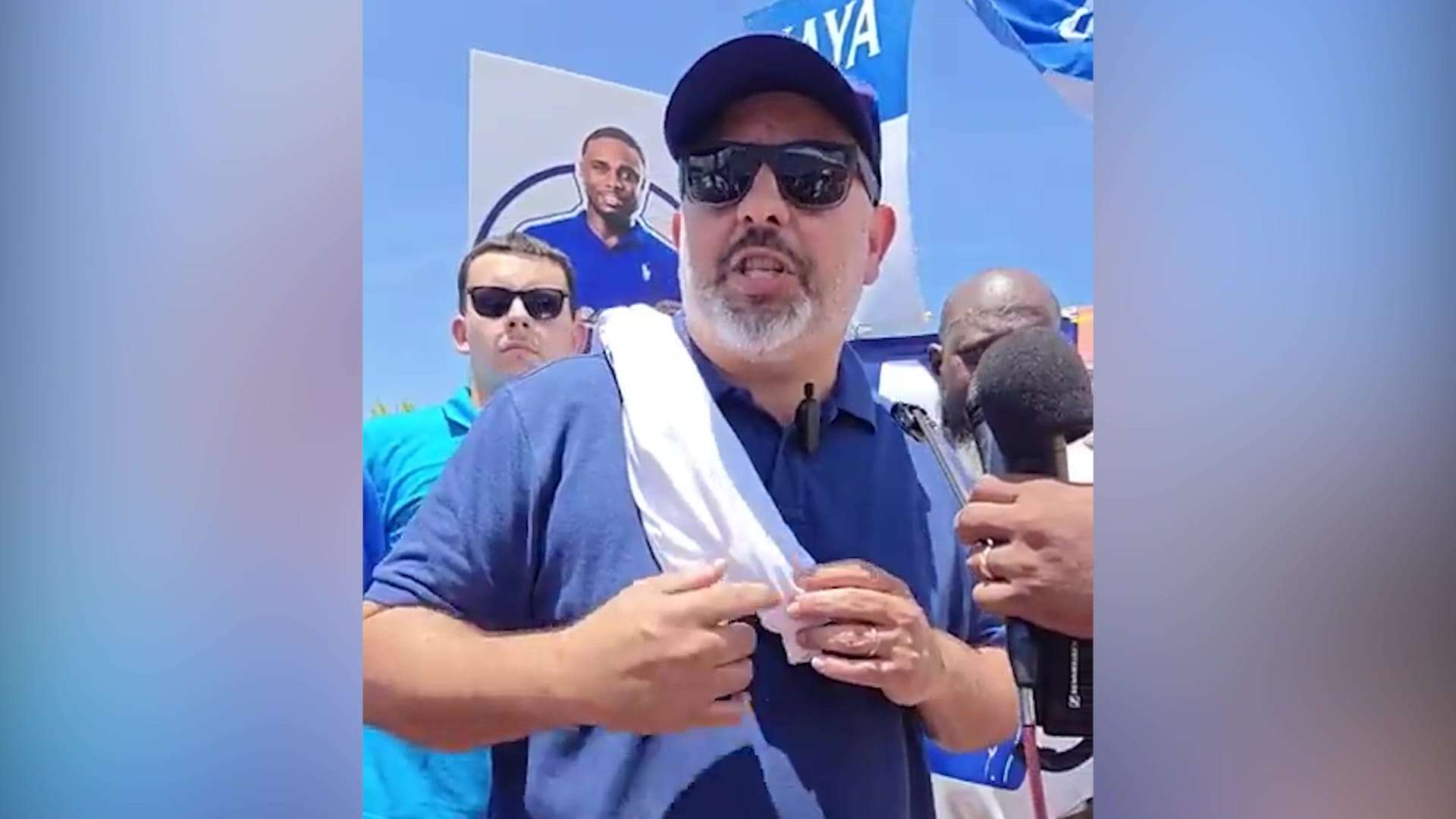
Flags lined the streets, supporters wore branded shirts, banners covered the convention grounds and both mayoral camps operated highly organized political machinery. The high turnout at yesterday’s People’s United Party convention was impressive, but the scale of the operation again brought an old question to the surface: who finances political campaigns in Belize? Belize still has no comprehensive legislation requiring candidates or political parties to disclose their donors, contributions or campaign spending. The Representation of the People Act addresses bribery and other election offences but does not provide a complete system for tracking political money. Minister of Good Governance Kareem Musa admitted that he was surprised by the turnout. He also pledged to ensure that campaign-finance legislation becomes a reality.
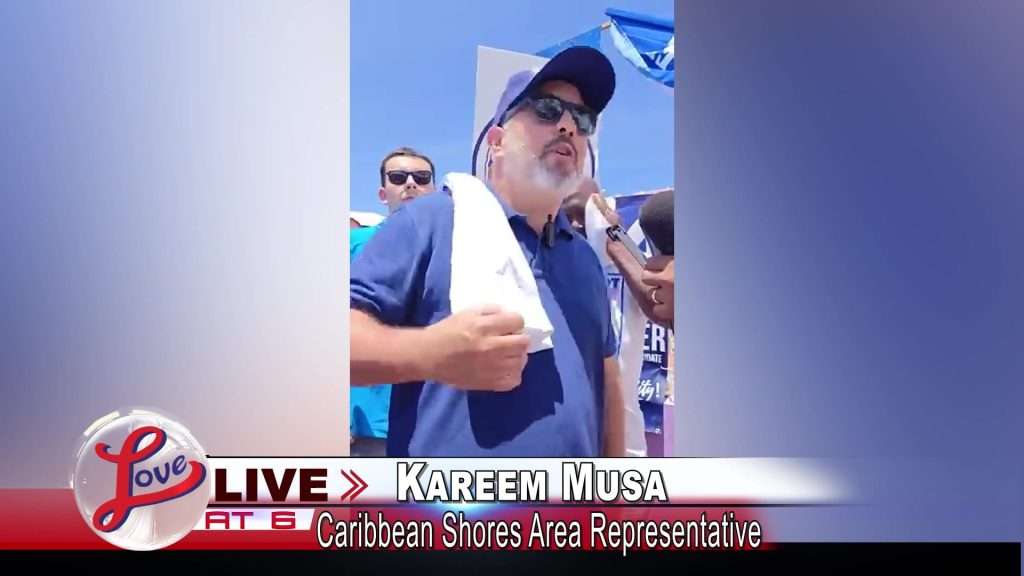
Kareem Musa, Caribbean Shores Area Representative: “It frightened me as much as it frighten you Marisol. Coming out here today it’s certainly is overwhelming. You look at all the t-shirts and all the tents and everything, clearly a nice penny has been spent out here today. And so I guess it is concerning but that has historically been the case. Until we get to campaign finance legislation, which I am hopeful and I am convinced as the minister of governance this time around we will have that. I met with the NTUCB, I have met with the social partners on that and I have given my undertaking at least from my end that we will have a draft legislation by the end of this year. Clearly out here is very robust and energized so to speak. It’s a very good showing and it’s a good sign for the PUP.”
The issue of campaign financing is not new. Following the 2012 general election, the Organization of American States noted that political financing in Belize was unregulated, with no spending limits or disclosure requirements. The OAS again highlighted the deficiency during the 2025 general election. Calls intensified in 2020 after testimony in the United States revealed that former UDP Minister John Saldivar had received fifty thousand US dollars connected to businessman Lev Dermen. Saldivar maintained that the funds were intended for political campaigning, but the episode led unions, civil-society organizations and political figures to demand legislation. The Belize Chamber of Commerce and Industry subsequently drafted a bill proposing a National Campaign Fund, disclosure rules and penalties for noncompliance. Despite Government announcing that the proposal was under review, no legislation has reached the National Assembly. More recently, a University of Belize study estimated that political campaigning could cost the two major parties as much as seventy-five million dollars during a five-year electoral cycle. It warned that the lack of disclosure could allow wealthy donors, special interests and potentially illicit funds to influence political decisions. Yesterday’s spectacle has therefore renewed a decades-old debate over transparency, spending limits and the influence of donors.
 English (US) ·