
 5 months ago
90
5 months ago
90
Few Caribbean intellectuals have reshaped global conversations on race, colonialism, and identity quite like the Honourable Sylvia Wynter, OJ. Writer, playwright, philosopher, and cultural theorist, Wynter’s work challenged long-standing Western ideas about who gets recognised as fully human and who does not. Over a career spanning literature, theatre, history, and critical theory, she became one of the most influential voices in Black and decolonial scholarship, helping generations rethink the legacy of empire, slavery, and colonial power.
Though often associated with academia today, Wynter’s journey began in the cultural and political ferment of a Caribbean region fighting to define itself beyond colonial rule.
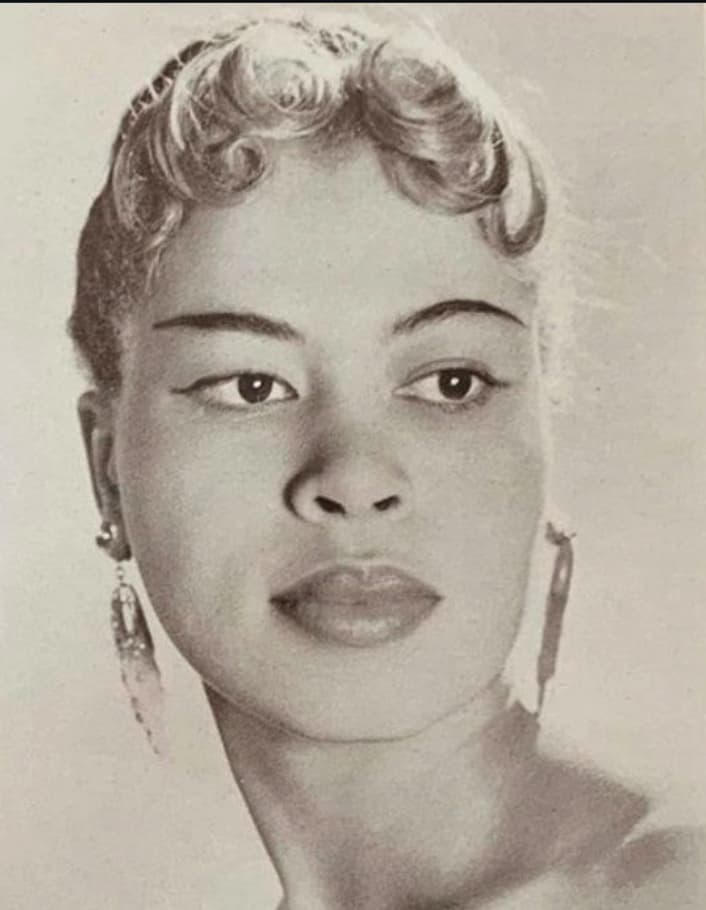
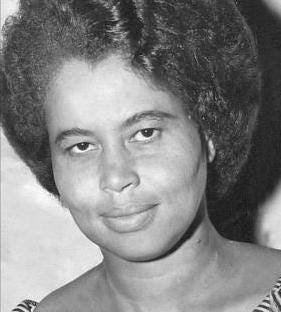
A Feminist Icon is Born
Sylvia Wynter was born on May 11, 1928, in Holguín, Cuba, to Jamaican parents. Her family returned to Jamaica while she was still a child, and she grew up under British colonial rule during a period of growing anti-colonial activism across the Caribbean.
The Jamaica of Wynter’s youth was still deeply shaped by the legacy of slavery and empire, realities that would later become central to her work. As nationalist movements gained momentum across the region, Caribbean intellectuals began questioning European ideas of civilisation, race, and identity. Wynter emerged from this generation of thinkers determined to reinterpret history from the perspective of the colonised.
She attended St. Andrew High School for Girls in Jamaica before later studying at King’s College London in England during the 1950s, where she immersed herself in literature, theatre, dance, and the arts. These experiences broadened her intellectual outlook while reinforcing her interest in Caribbean culture and Black identity. She also became increasingly interested in Jamaican folk traditions and African-derived cultural practices often dismissed during the colonial era.
Reflecting on the importance of folklore and cultural memory, Wynter once wrote, “Folklore is not only the relation of man to nature but of man to himself.”
Challenging the Western Idea of “Man”
Following Jamaica’s independence in 1962, Wynter became an important voice in the country’s cultural awakening. At a time when newly independent nations across the Caribbean were searching for ways to define themselves outside colonial frameworks, she used literature and theatre to centre Jamaican experiences, language, and traditions.
Her early creative works included novels, essays, and plays such as The Hills of Hebron, 1865 – A Ballad for a Rebellion, and Jonkonnu and the New World. These works explored themes of colonialism, Black resistance, spirituality, folklore, and social change. Wynter also drew heavily from traditions such as Jonkonnu, treating them not as relics of the past but as powerful expressions of survival and resistance.
Over time, her work evolved beyond literature and theatre into philosophy and critical theory. Wynter became internationally recognised for challenging the Western idea of “Man” as the universal definition of humanity. She argued that colonial systems positioned the white European male as the standard for what it meant to be human while excluding Black, Indigenous, and colonised peoples from that category.
Her influential essays examined how race, slavery, science, and colonialism shaped modern society. In works such as Unsettling the Coloniality of Being/Power/Truth/Freedom and On Being Human as Praxis, she called for a new understanding of humanity beyond colonial definitions.
Wynter later taught and lectured internationally, including at Stanford University and University of California, San Diego, influencing fields ranging from Black Studies and sociology to philosophy and cultural theory.
Internationally Renowned Scholar
Over the years, Sylvia Wynter received increasing international recognition for her contributions to literature, education, and critical thought. In 2010, she was awarded the Order of Jamaica (OJ), one of the nation’s highest honours, in recognition of her distinguished contribution to literature and scholarship. And, in 2012 she was inducted as a Fellow of the Institute of Jamaica.
Her work has also been celebrated internationally through honorary degrees, academic conferences, and scholarly publications dedicated to her theories and writings. Institutions such as the University of the West Indies have recognised her intellectual impact, while her essays continue to be widely taught in universities around the world.
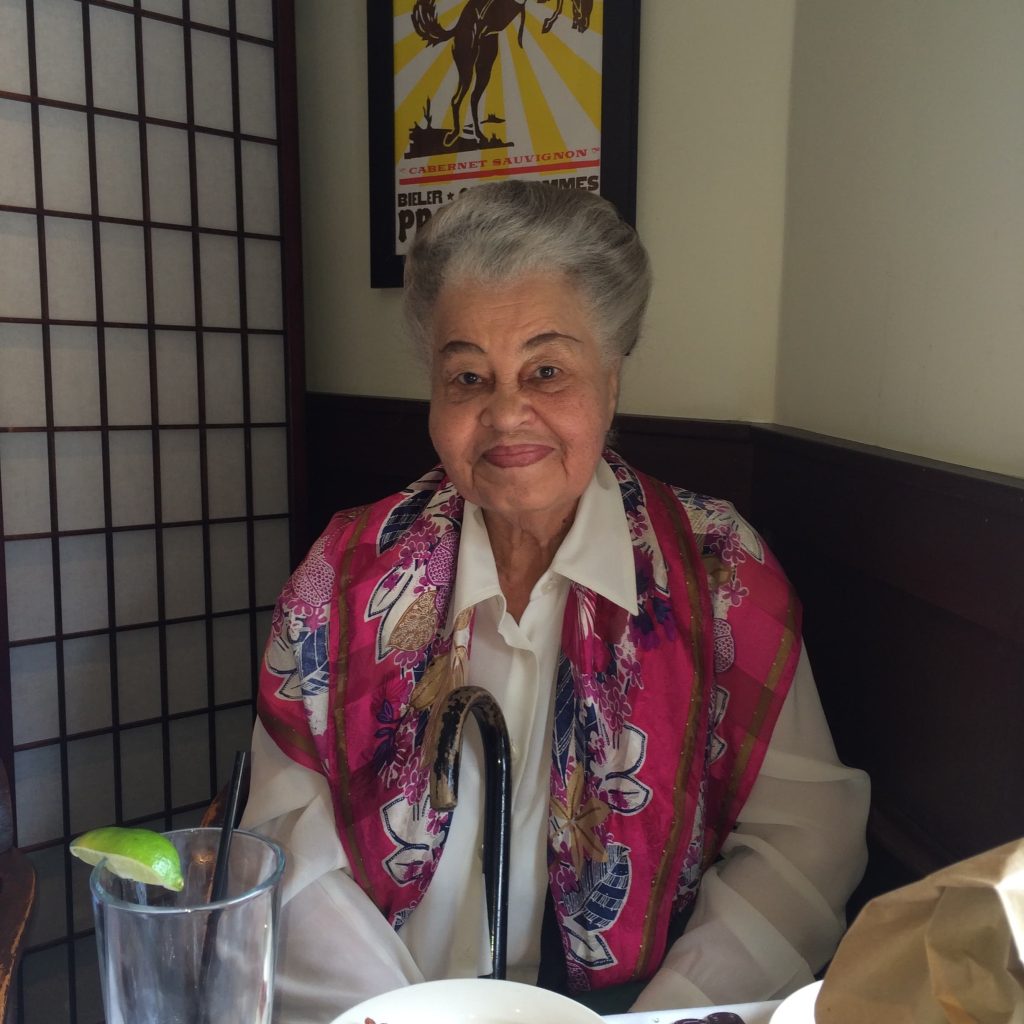 Sylvia Wynter, May 2025 via @KCLalumni on X
Caribbean’s Most Important Intellectual
Today, Sylvia Wynter is regarded as one of the Caribbean’s most important intellectual figures. Her work continues to shape discussions on race, colonialism, inequality, and identity across multiple disciplines.
Long before conversations around decolonisation became mainstream, Wynter was urging readers to rethink the systems that defined humanity itself. Through literature, theatre, and philosophy, she challenged the world to imagine new ways of understanding human life beyond the boundaries created by empire and race.
Her influence remains global, but her intellectual roots remain unmistakably Caribbean.
 English (US) ·