
 8 months ago
93
8 months ago
93
For Jamaican civil engineer Simone Christie, living in Zanzibar is the result of a professional and personal journey that spans Jamaica, the United States, Southern Africa, and East Africa. Her path reflects a steady progression shaped by education, engineering work, and years of lived experience across the African continent, culminating in her current life as a restaurateur in Zanzibar.
In this episode of Jamaicans to the World, Christie explains how she moved from engineering into hospitality, and what daily life is like for a Jamaican living and doing business on the island.

From Immaculate to Howard
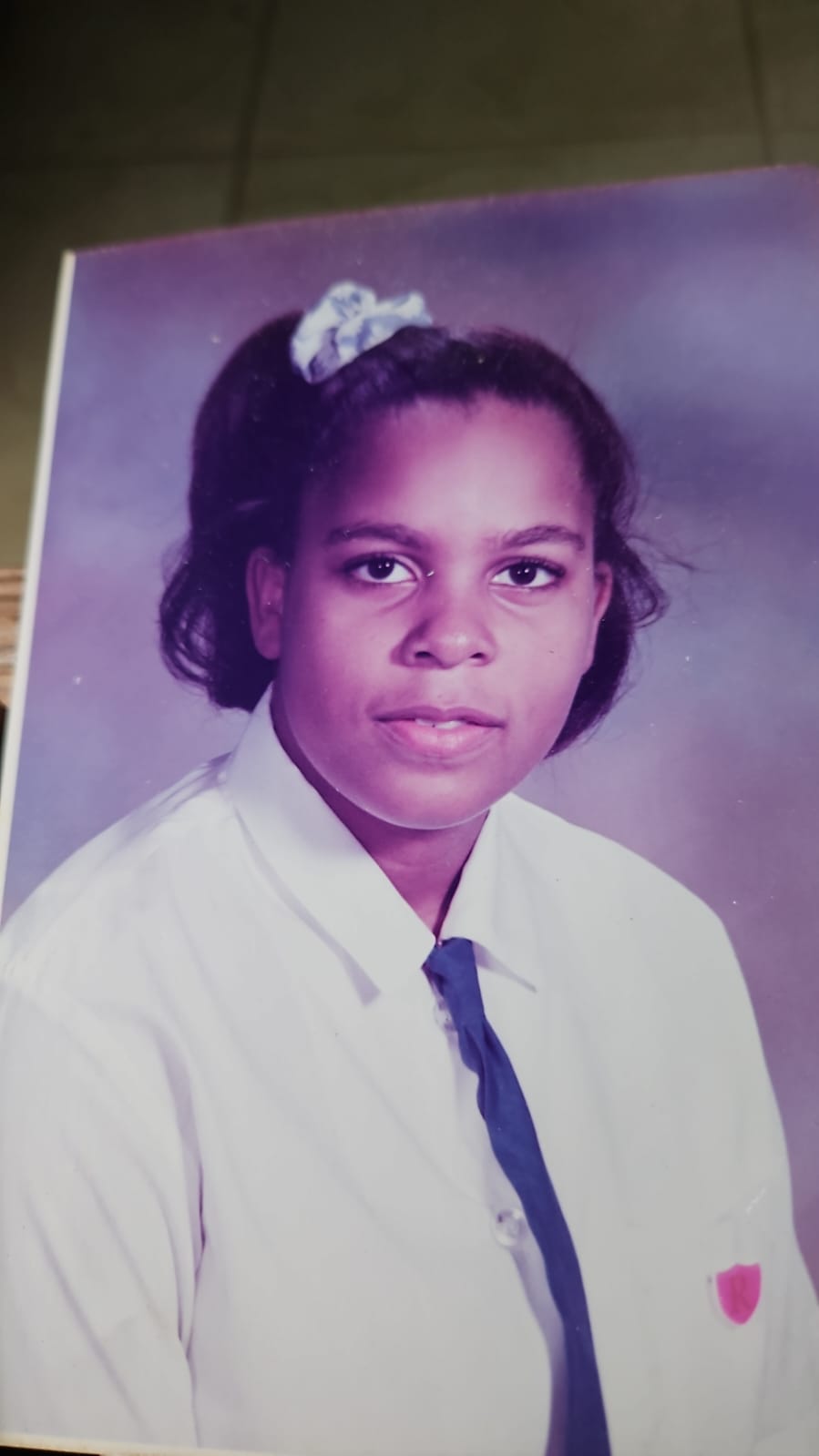
Simone Christie was born in Kingston, Jamaica, and raised between Portmore and Kingston. She describes herself as a “Mac girl”, a reference to the Immaculate Conception institution, where she completed her education from primary through to secondary level.
After graduating from Immaculate Conception High, she moved to the United States to study at Howard University, initially intending to pursue dentistry before later changing her academic focus.
“I went to Howard with these big dreams of becoming a dentist,” she said. “And then I said, you know, I don’t really want to spend my whole life dealing with people teeth.”
She went on to study civil engineering, a decision influenced by both personal interest and family background, as her father is also a civil engineer.
An Epic African Journey
Following university, Christie began her professional career in environmental civil engineering in New Jersey, working with an engineering consulting firm on infrastructure-related projects. The work focused on environmental systems and development solutions, giving her early exposure to how engineering decisions intersect with communities, land use, and long-term sustainability.
Her first move to Africa came through a short-term engineering assignment in Lesotho, initially scheduled to last just three months. The project, however, extended far beyond its original scope, and Christie ultimately remained in the country for seven years. During that time, she gained first-hand experience working in a small, landlocked nation with close economic and social ties to South Africa.
“Lesotho is a very tiny landlocked country completely surrounded by South Africa,” she explained. “You look out the kitchen window and you see South Africa.”
While working in Lesotho, Christie regularly visited friends in South Africa on weekends and eventually relocated to Johannesburg, where she lived for a further two years. By then, she had spent nearly a decade living and working across Southern Africa, a period that significantly shaped her professional outlook and deepened her understanding of life and work on the continent.
Settling in Zanzibar
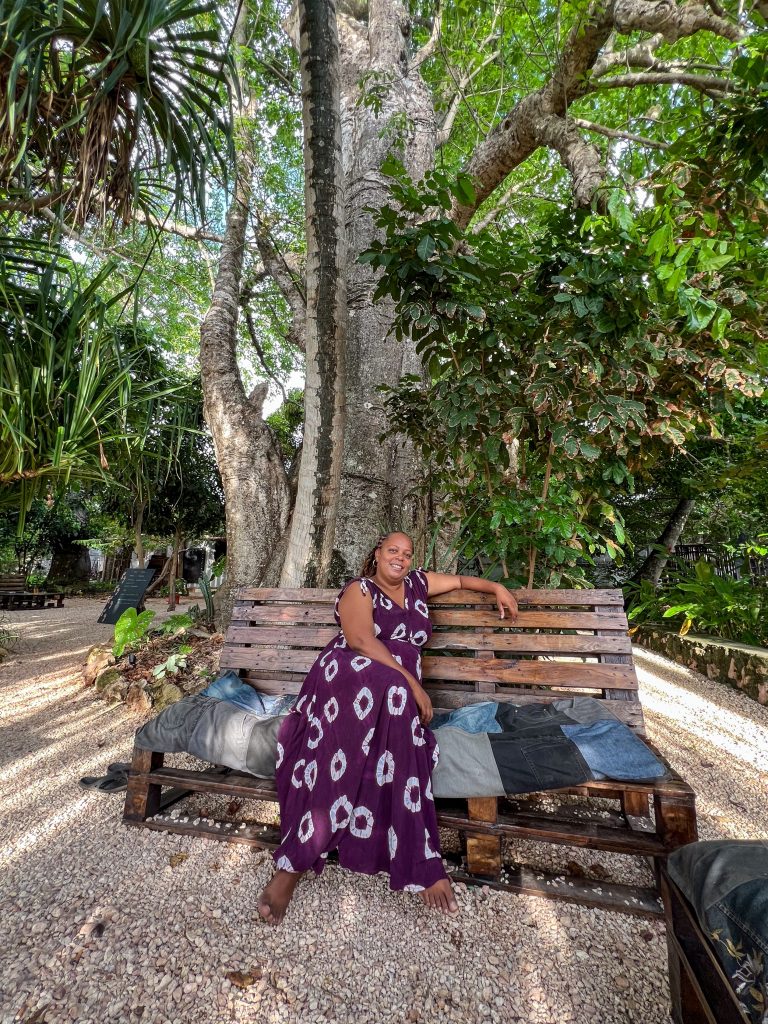
Christie first visited Zanzibar in 2012–2013 and returned several times before deciding to relocate. Zanzibar is part of Tanzania but functions as a semi-autonomous region, with a strong focus on tourism and hospitality. In 2018, she purchased land with a business partner and later settled in Kizimkazi, on the island’s southern coast, where she now lives and operates Fahari Off the Grid, a eco-friendly waterfront restaurant she opened in 2023.
Fahari Off the Grid offers Jamaican fusion cuisine shaped by Christie’s Jamaican roots and her years living and travelling across Africa and beyond. “I call it Jamaican fusion,” she said. “It’s my interpretation of Jamaican food and all my travels.” The menu blends Caribbean foundations with African, Asian, Middle Eastern, and European influences, using local ingredients alongside global techniques.
Beyond the food, Fahari Off the Grid is recognised for its responsible and community-centred approach. The restaurant recently achieved a three-star rating in the Food Made Good Standard, an impressive milestone for a small, remote business in Zanzibar.
What’s Life Like in Zanzibar as a Jamaican?
Living in southern Zanzibar, Christie says daily life moves at a noticeably slower pace than many urban centres. “You have to pack a lot of patience,” she noted. “Most of the people who live here don’t necessarily have the same experiences or worldview as you.” She explains that while the cost of living can be relatively low when relying on local produce and essentials, imported goods — particularly processed foods and internet services — are significantly more expensive.
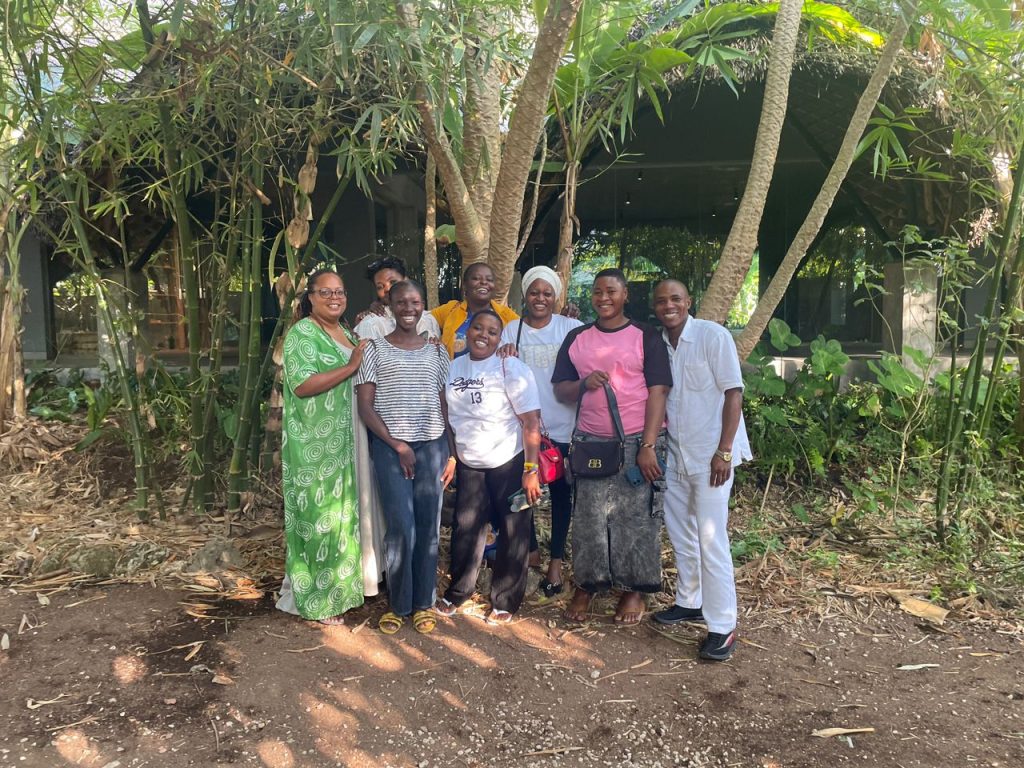
Community, however, is central to everyday life. “People are very family-oriented and community-oriented. It reminds me of how Jamaica was like when I was growing up,” she said, pointing to a culture where neighbours readily step in to help, even late at night.
Life as a Jamaican in Zanzibar has generally been a positive experience, Christie says. She notes that reception across the African continent has been largely favourable, shaped in large part by Jamaica’s music and cultural influence. “The music speaks before we even open our mouth,” she said. She recalls moments where simply being Jamaican, including travelling on a Jamaican passport, has led to warmth, recognition, and unexpected hospitality, reinforcing the island’s outsized cultural impact far beyond its borders.
Advice for Jamaicans Considering a Move
For Jamaicans thinking about relocating to Africa, Christie advises caution paired with curiosity. “Come for a visit first,” she said. “It’s very different from the US and Europe. The pace of life… is slow.” Her broader advice is to observe, adapt, and remain open to cultural differences before making long-term decisions.
“We need more Jamaicans over this side,” she added.
Watch more episodes of Jamaicans to the World on our YouTube channel — and don’t forget to subscribe and share the videos. Want to be featured in a future episode? Email us at [email protected].
 English (US) ·