
 8 months ago
90
8 months ago
90
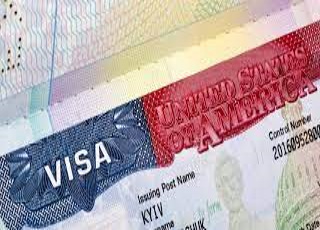
The U.S. State Department is temporarily pausing the processing of new immigrant visas for 75 countries, including several Caribbean nations, in an effort to tighten screening of applicants deemed likely to rely on public benefits, according to Fox News.
It does not apply to applicants seeking non-immigrant visas, temporary tourist or business visas.
The pause, set to begin Jan. 21, will continue indefinitely as the department reassesses its procedures for vetting visa applicants. The guidance instructs consular officers to deny visas to individuals judged likely to become a “public charge,” considering factors such as age, health, finances, English proficiency, and potential long-term medical needs. Those who have previously received government assistance or institutional care may also be denied.
A “public charge” is a term used in U.S. immigration law to describe someone who is considered likely to rely primarily on government assistance (like welfare, food stamps, or long-term medical care paid by the state) to support themselves.
“The State Department will use its long-standing authority to deem ineligible potential immigrants who would become a public charge on the United States and exploit the generosity of the American people,” State Department spokesperson Tommy Piggott said in a statement to Fox News.
Caribbean countries affected by the pause include Antigua and Barbuda, Bahamas, Barbados, Belize, Dominica, Grenada, Haiti, Jamaica, Saint Kitts and Nevis, Saint Lucia, and Saint Vincent and the Grenadines. Exceptions to the pause will be rare and granted only after applicants pass the public charge assessment.
While the public charge rule has existed for decades, enforcement has varied across U.S. administrations. Historically, consular officers have had broad discretion in applying the standard. The current pause signals a stricter approach, aimed at limiting entry to applicants who may depend on U.S. public assistance programs.
The list of affected countries also spans regions in Africa, Asia, Europe, and Latin America, highlighting the global scope of the policy, but the inclusion of multiple Caribbean nations underscores the potential impact on migration from the region.
The full list of countries comprises of: Afghanistan, Albania, Algeria, Antigua and Barbuda, Armenia, Azerbaijan, Bahamas, Bangladesh, Barbados, Belarus, Belize, Bhutan, Bosnia, Brazil, Burma, Cambodia, Cameroon, Cape Verde, Colombia, Cote d’Ivoire, Cuba, Democratic Republic of the Congo, Dominica, Egypt, Eritrea, Ethiopia, Fiji, Gambia, Georgia, Ghana, Grenada, Guatemala, Guinea, Haiti, Iran, Iraq, Jamaica, Jordan, Kazakhstan, Kosovo, Kuwait, Kyrgyzstan, Laos, Lebanon, Liberia, Libya, Macedonia, Moldova, Mongolia, Montenegro, Morocco, Nepal, Nicaragua, Nigeria, Pakistan, Republic of the Congo, Russia, Rwanda, Saint Kitts and Nevis, Saint Lucia, Saint Vincent and the Grenadines, Senegal, Sierra Leone, Somalia, South Sudan, Sudan, Syria, Tanzania, Thailand, Togo, Tunisia, Uganda, Uruguay, Uzbekistan and Yemen.
 English (US) ·