
 10 months ago
83
10 months ago
83
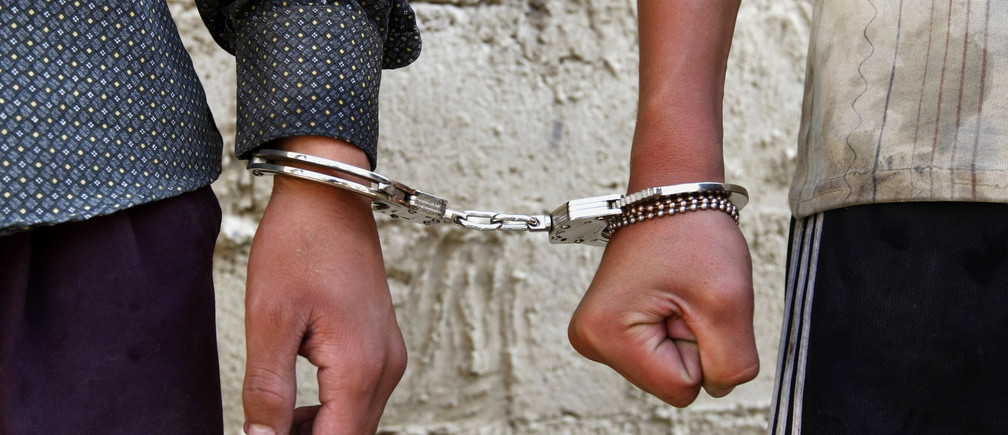
In the wake of Hurricane Melissa, communities across the Caribbean, such as Jamaica, Cuba, Haiti, and the Bahamas, continue to confront the destruction, displacement, and emotional trauma left behind. As families focus on rebuilding their lives, it is critical to highlight a hidden yet urgent concern: the heightened risk of child sexual abuse, neglect, and exploitation that often follows major disasters.
Environmental disasters create instability that leaves children more vulnerable than ever. With homes destroyed, schools closed, and families displaced into temporary shelters or overcrowded conditions, the protective systems that normally safeguard children have been severely disrupted. The Female Development World Organization (FDWO) is bringing attention to this issue to address these risks, support families, and safeguard children during this period of instability.
 Lavern Deer of FDWO
What is human trafficking?
Human trafficking is modern-day slavery; the act of forcing someone to work, for little or no pay, through force, fraud, or coercion. It is a multidimensional problem that disproportionately impacts marginalized communities. While traffickers take advantage of the vulnerabilities created by these systemic inequities year-round, disasters, whether man-made or natural, have the potential to increase an individual’s vulnerability to human trafficking.

These are some control methods traffickers use:
- Providing false promises about work or living conditions
- Physically assaulting or threatening serious harm
- Psychologically manipulating or shaming
- Pretending to have an intimate relationship
- Pretending to provide protection
- Withholding wages or debt bondage
- Isolating the victim **
Oftentimes, a victim of human trafficking isn’t aware that they are being trafficked. They do not know that when a trafficker pressures a victim by force, fraud, or coercion to perform labor, services, or commercial sex, it’s a crime. Even if victims initially consent to go with or work for the perpetrator, that consent is rendered meaningless when perpetrators exploit them for labor, services, or commercial sex. Anyone can be targeted by a trafficker.
As we move forward from Hurricane Melissa, protecting our children must remain an urgent priority. The Female Development World Organization urges all residents, community groups, and regional leaders to work together to create a safe, stable environment for every child.
How the community can help
See something, say something. If you suspect a child is being sexually abused or exploited, contact local authorities or your national child protection hotline immediately.
- Report suspected abuse or trafficking immediately
- Ensure children have proper supervision in shelters and temporary housing
- Encourage safe online practices and limit unsupervised internet use
- Support reunification efforts for displaced or separated children
- Stay connected with vulnerable families and offer support
- Believe the victims
FDWO continues to partner with local governments, NGOs, and international agencies to ensure that children are protected and families have the tools they need to recover safely and sustainably. The organization will hold its annual human trafficking symposium in January of next year to bring awareness to this global issue. The symposium brings together expert speakers and panelists to share solutions and educate global stakeholders. For more information and to be included in its global audience, interested persons can email: [email protected].
 English (US) ·